The journey of self-discovery can be full of a thousand pitfalls, but you will have to make it on your own, without avoiding the obstacles. Find your own way, change it as many times as you like, follow your dreams. Don't let upbringing, habits and your own preconceptions become a prison. Always have the courage to change yourselves, your ideas, your approach, your point of view, because it is the only way to change the things that are wrong and to improve your life and the lives of many others.
Episode 4 · January 21, 2026 · 1h 19min
From €200,000 Lost per Hour to 61 Billion: How Sergio Marchionne Saved FIAT
In Buona Compagnia is an Italian podcast. This is the English version of the episode: the video has English subtitles, and the transcript, reflections and sources are translated. The book was written in Italian and has no English edition, so the quotes on this page are our own translation from the Italian. Versione italiana →
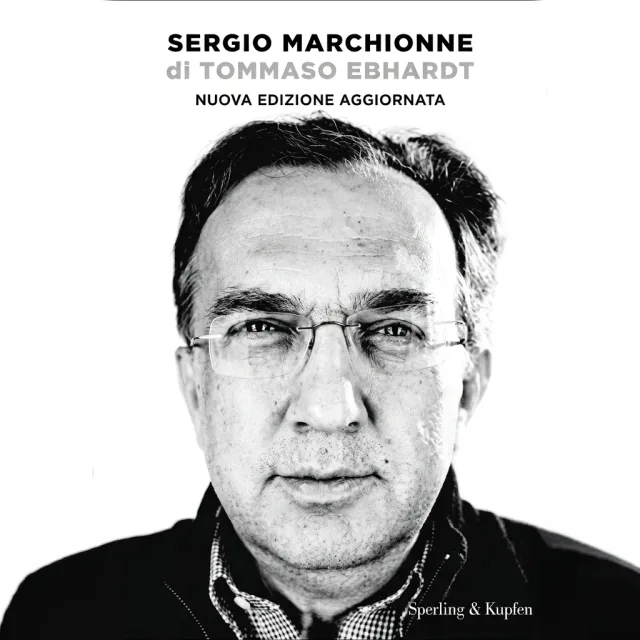
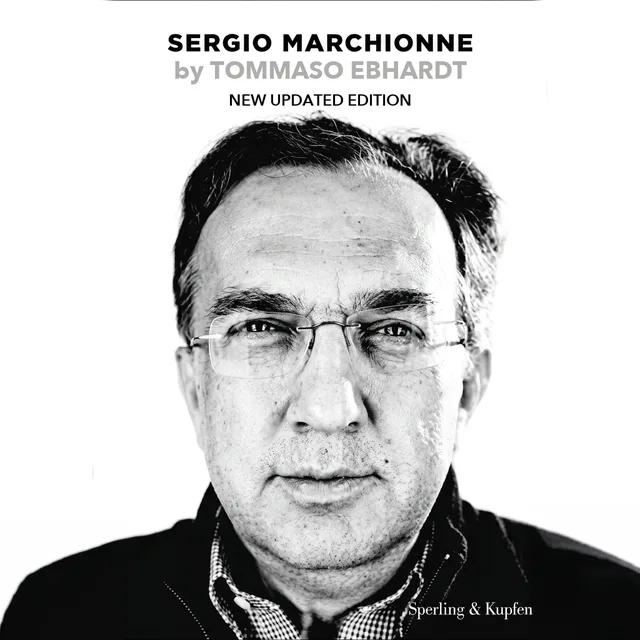
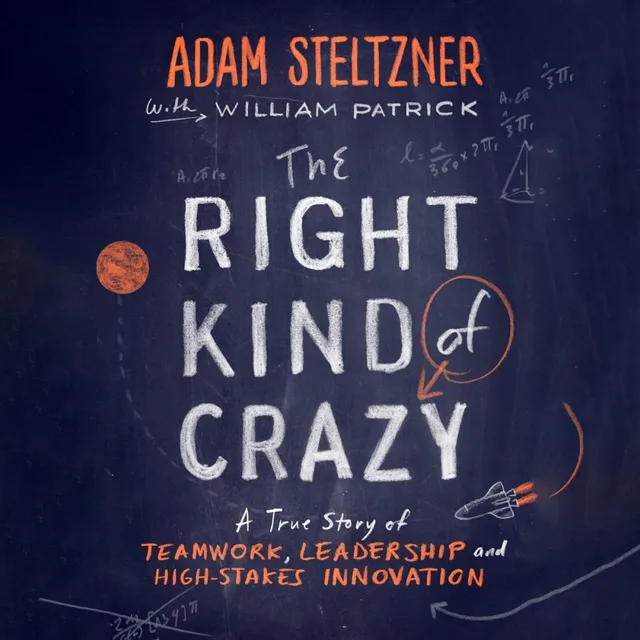
Sergio Marchionne is the Italian-Canadian manager who saved Fiat from bankruptcy in 2004, bought Chrysler during the 2008 crisis, listed Ferrari on Wall Street for almost 10 billion euros, and died at 66 after working until his last day. Sergio Marchionne by Tommaso Ebhardt is his biography.
He was born in Chieti in 1952 to a father who was a Carabinieri marshal. At 13 his family emigrated to Canada. When his sister Luciana died, Sergio shut himself in his room for two weeks and came out transformed. “I’m a fixer,” he would write, “I fix things, and until I’m done I can’t stop.”
He studied philosophy, became an accountant, then a lawyer. He passed through aluminum, chemicals, biotechnology. In Switzerland he turned around SGS, met the Agnelli family, and on June 1, 2004 he became CEO of the Fiat group. Four CEOs had failed before him. Fiat had piled up 7.7 billion euros in losses in three years.
In 14 years he turned a 5-billion company into a group worth almost 30 billion, plus a Ferrari worth over 20 billion listed separately on Wall Street. He did it by imposing very harsh conditions on workers, while dreaming of a merger with General Motors that never came. He worked until his last day, until he died, at 66, on July 25, 2018.
From €200,000 Lost per Hour to 61 Billion: How Sergio Marchionne Saved FIAT
Tommaso Ebhardt
From €200,000 Lost per Hour to 61 Billion: How Sergio Marchionne Saved FIAT
Now playing
From €200,000 Lost per Hour to 61 Billion: How Sergio Marchionne Saved FIAT
Ten key reflections from the episode
Settling for a mediocre life is never worth it.
Change itself is the only great certainty. Nobody is too big to fail. Fiat, for example, dominated in the 1980s, when it was competing with Volkswagen for first place in Europe. Then, in 2004, it was practically bankrupt, losing 5 million euros a day.
Portable leadership has some advantages: one is testing that you are able to handle complexity in life. It induces efficiency. The worst thing about leadership is having free time, because if you have free time you'll go around ruining the life of someone who works for you. The wider the span, the less time you have, the more freedom they will have, and the better the result.
A lot of what I do is challenging assumptions, which often looks like asking stupid questions. That's how we cut the development time of the Cinquecento from four years to just 18 months. I asked the designers and engineers why it took 48 months. They told me they needed this or that input. Then I asked: "What would happen if you didn't have that particular input?" Sometimes they told me it actually wouldn't make much difference.
The team that developed the 500 was made up entirely of people under 40. Marchionne explained: "They achieved the goal because they didn't know it was impossible. My job was to make sure they didn't do anything stupid and to protect them from the corporate culture of the pessimists."
Help, don't do. Helping them doesn't mean doing the work in their place. I immerse myself in the business, not to make decisions from my corner office but to guide the people on the ground to make the right decisions. I don't know what they'll be when I walk into a meeting, but I think my involvement makes it more likely that the right ones will come out.
Only results matter. The only thing that mattered to Marchionne was results. No excuses were accepted. It didn't matter how likeable you were, how long you had worked at the company, how good your intentions were. The only question was: did you hit the target? Marchionne was a stickler for detail with an unprecedented sense of urgency. He set ambitious goals, developed a clear strategy, communicated it constantly, and made sure it was carried out properly, all while staying calm. An executive who said he was "satisfied" with having reduced his division's losses was fired on the spot. Nobody can be happy closing the books in the red. Reducing losses is not a result, it's just losing less.
Every time you face a hard task, you have to remember that the only difference between the possible and the impossible is that the impossible hasn't been done yet.
The best time to consolidate is when you're strong. I was the most profitable player in the aluminum industry when I did the merger. I went into it knowing that if I had stayed alone, I would have paid the price of being a marginal player. Fiat is looking at this new world and saying it will become a marginal player if it doesn't act.
Seeing opportunity where everyone else sees rubble. When I arrived in 2004, nobody could ever have remotely imagined something like the Chrysler deal. We were able to move at the speed of light, adapt to the evolution of the market, and we saw opportunity where others saw only rubble.